

The eclipse on 12 August is expected to lead to an exceptional increase in travel to the best viewing locations. This sudden surge in mobility can give rise to various risks that require coordinated preventive measures.
Imagen
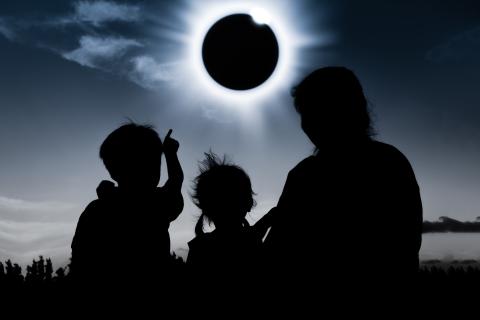
There are five main areas of risk:
- Health risks (heatstroke, dehydration, overcrowding, the effects of sudden darkness and sudden changes in weather).
- Eye protection (potential retinal damage, requirement for ISO 12312:2-certified glasses, verification of filters and prohibition of optical devices without filters).
- Logistics and mobility safety (plan journeys, avoid stops on hard shoulders, carry supplies, anticipate traffic congestion and use designated areas).
- Environmental impact (preserving sensitive areas, avoiding waste and disturbance to wildlife, not trespassing on private land).
- Risk of forest fires (no open fires, avoid parking on dry vegetation and ensure emergency access routes are kept clear).
Download our guide to safe eclipse viewing
Civil Protection – Official information and resources on risks
To assist with planning and personal safety during the eclipse on 12 August, a range of official services are available, providing real-time information on risks, weather conditions and fire hazards. The main resources are:
National Alert Network (RAN) – Information on risks and recommendations
- Official website for checking relevant risks within the country:
https://ran-vmap.proteccioncivil.es/ - Self-protection recommendations for the various risks managed by Civil Protection:
https://www.proteccioncivil.es/gestion-riesgos/recomendaciones
State Meteorological Agency (AEMET) – Weather forecast
- Latest information on weather forecasts, weather warnings and the expected development during the event
>https://www.aemet.es/ - Check the daily fire danger rating – an essential tool for planning trips and outdoor activities in forested areas: https://www.aemet.es/es/eltiempo/prediccion/incendios
Civil Protection
- Information and services focused on comprehensive risk management, prevention and emergency response https://www.proteccioncivil.es/